Access Control
Access control is a security solution that regulates and monitors who can enter or exit a particular area, building, or system. It ensures safety, prevents unauthorized entry, and provides traceability through logs and reports. Modern access control mainly uses proximity, face recognition, and biometric technologies depending on the level of security required.
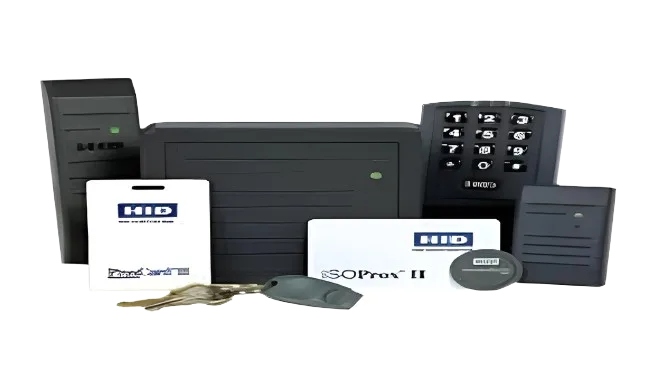
Proximity access control works using RFID or smart cards that allow contactless entry. Users only need to present their card near the reader, which makes it quick and convenient. This method is widely used in offices, schools, residential complexes, and parking areas. Cards can be issued, blocked, or reassigned easily through centralized software, and the system can be linked with time and attendance management. While it is cost-effective and easy to implement, the limitation is that cards may be lost, stolen, or shared, which reduces security compared to biometric methods.
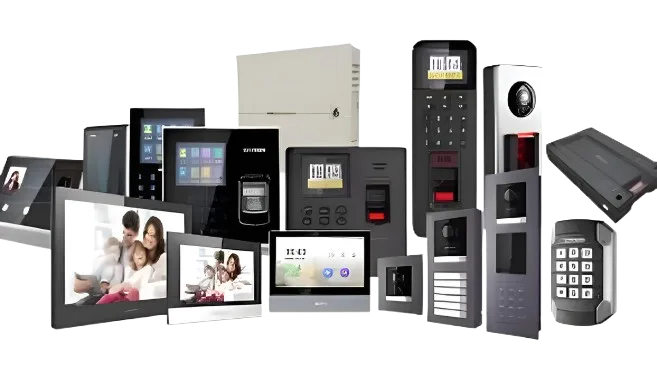
Face recognition systems rely on AI-driven cameras to identify individuals based on their facial features. These systems are touchless, fast, and highly secure, making them popular in IT parks, airports, corporate offices, and high-security zones. Advanced models can detect faces even in low light, recognize people wearing masks, and use liveness detection to prevent spoofing. Since a face cannot be easily shared or duplicated, this method provides a strong level of security. The drawback is that it comes at a higher cost and may face challenges when users wear coverings or accessories that obscure the face.
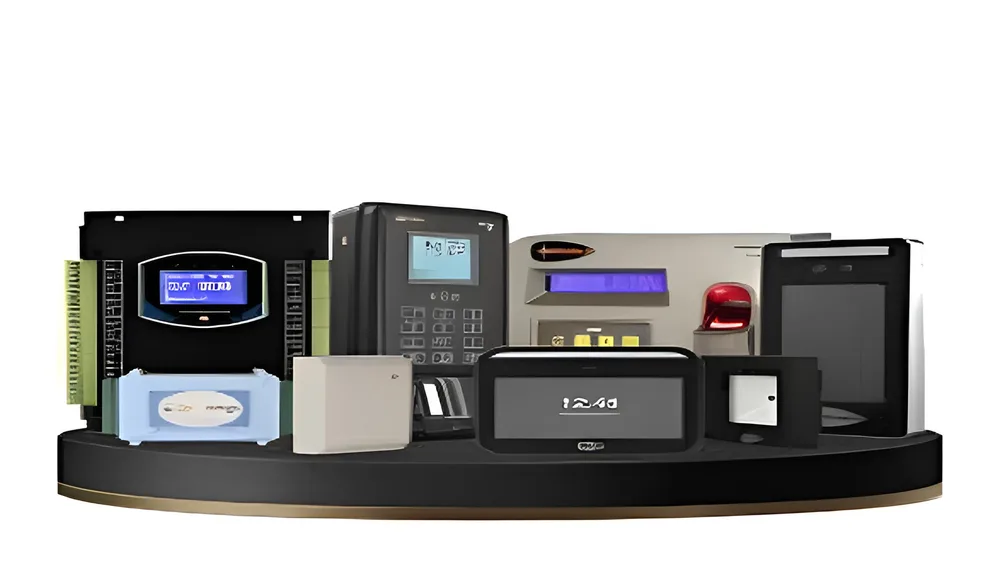
Biometric systems identify people through their unique biological traits such as fingerprints, iris patterns, or palm veins. Fingerprint readers are most common in workplaces, while iris and palm recognition are used in highly sensitive environments like research labs, defense facilities, and critical infrastructure. Biometrics provide high accuracy, reliability, and accountability, ensuring only the authorized person gains access. They can be integrated with both physical access points like doors and turnstiles, and logical systems like computers and servers. However, environmental conditions (wet or dirty fingers) may sometimes affect fingerprint scanners, and advanced biometric devices are more expensive.
For Technical Specifications, write to us